A Love Letter to Japan
I went to Japan twice in 2024. First with friends, then by myself. This is what I found there.
Tokyo
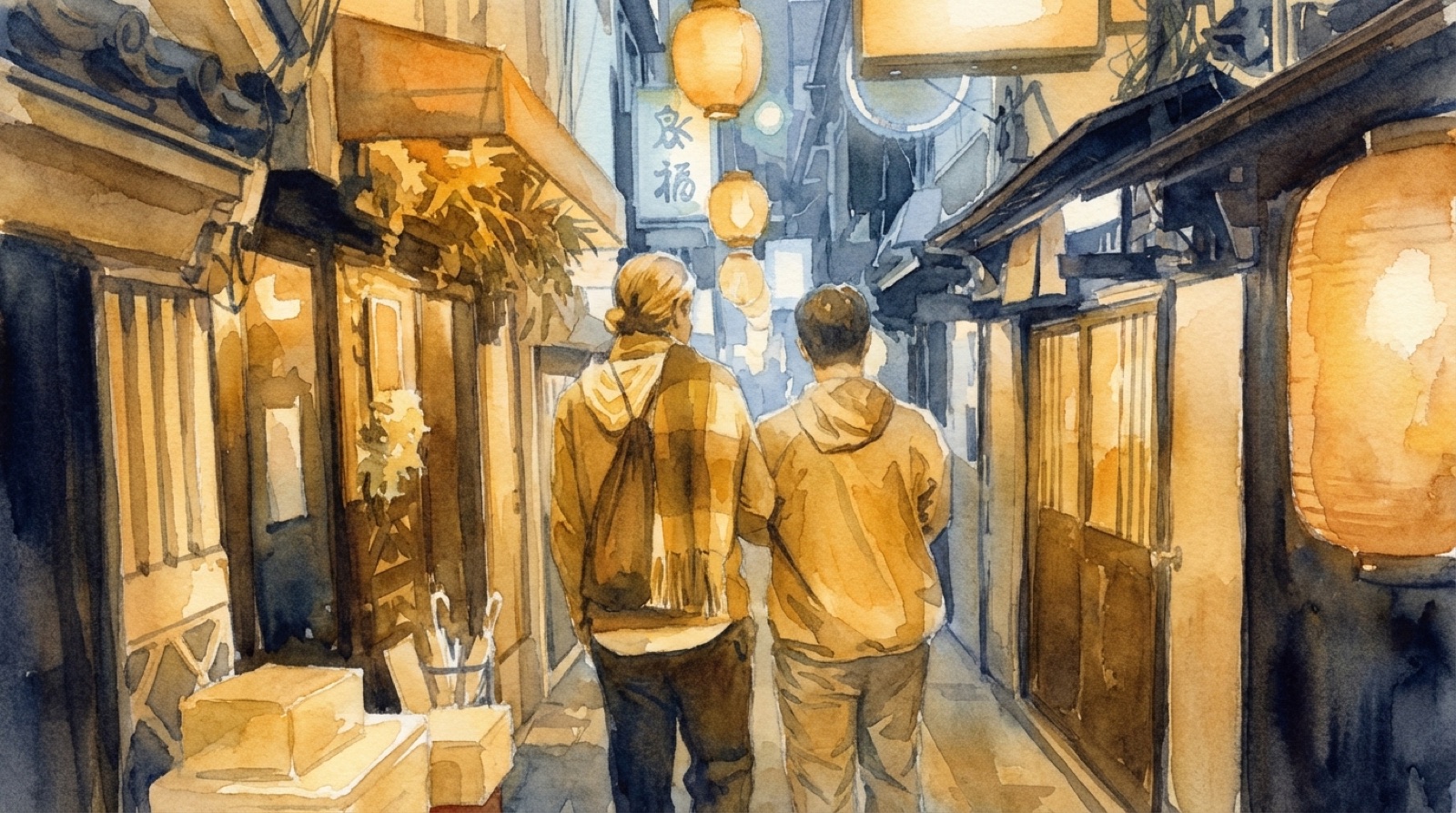
The small things stand out first. Trains that arrive to the second, streets that stay spotless in a city of fourteen million, everything working quietly without anyone drawing attention to it. Japan pays attention to things most places have decided don't matter.
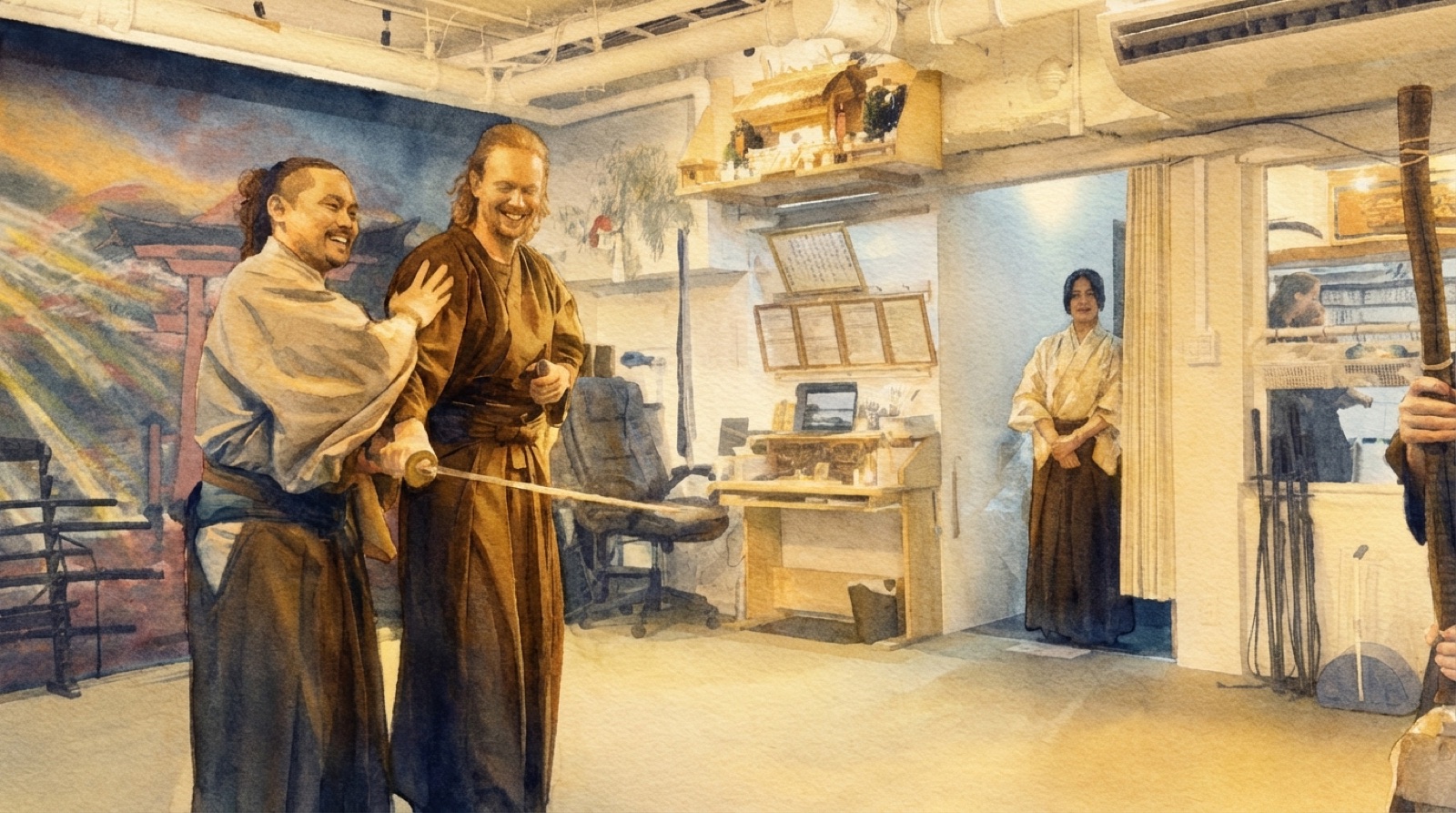
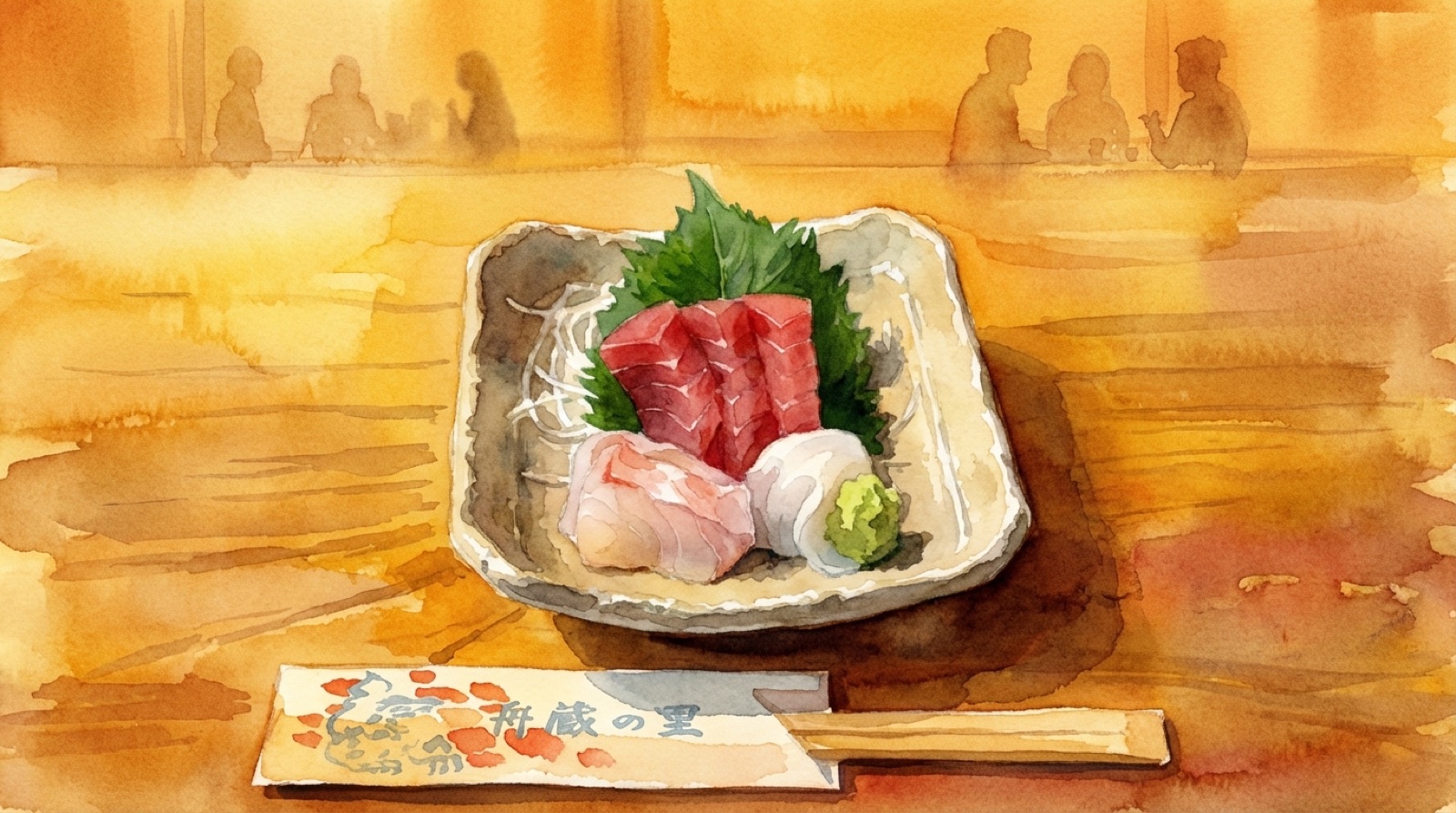
The arcades are part of everyday life here. People of all ages, completely absorbed, playing for hours. Gaming carries no stigma. It's culture, the same way food is culture: every dish presented like it matters, because it does. A bowl of ramen, a plate of sashimi, a convenience store onigiri wrapped so the seaweed stays crisp until you open it. The care is in every detail.
Strangers start conversations and offer food. There is a word for it: omotenashi. Selfless hospitality, anticipating what someone needs before they ask, with no expectation of return.

The Forests
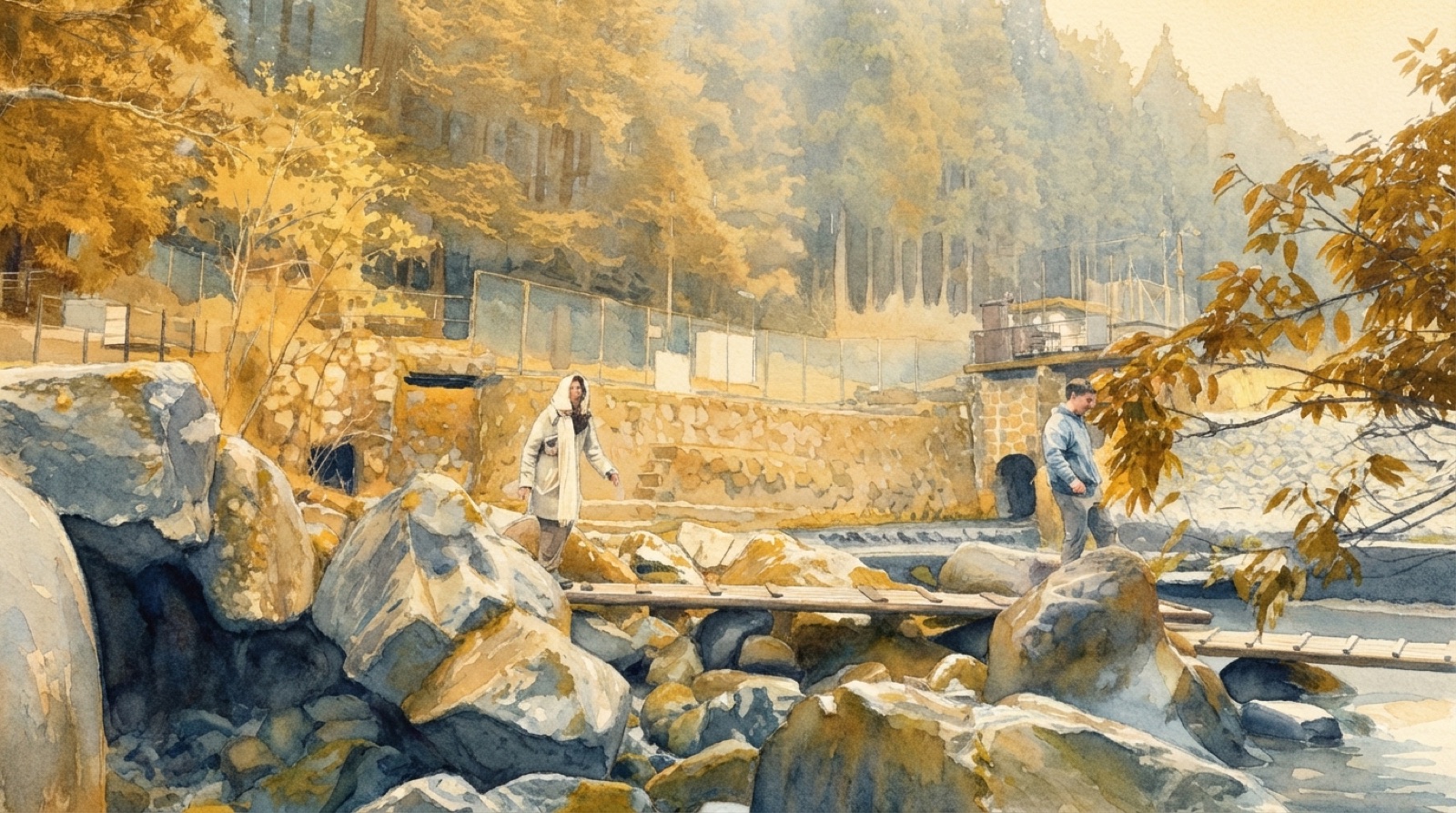
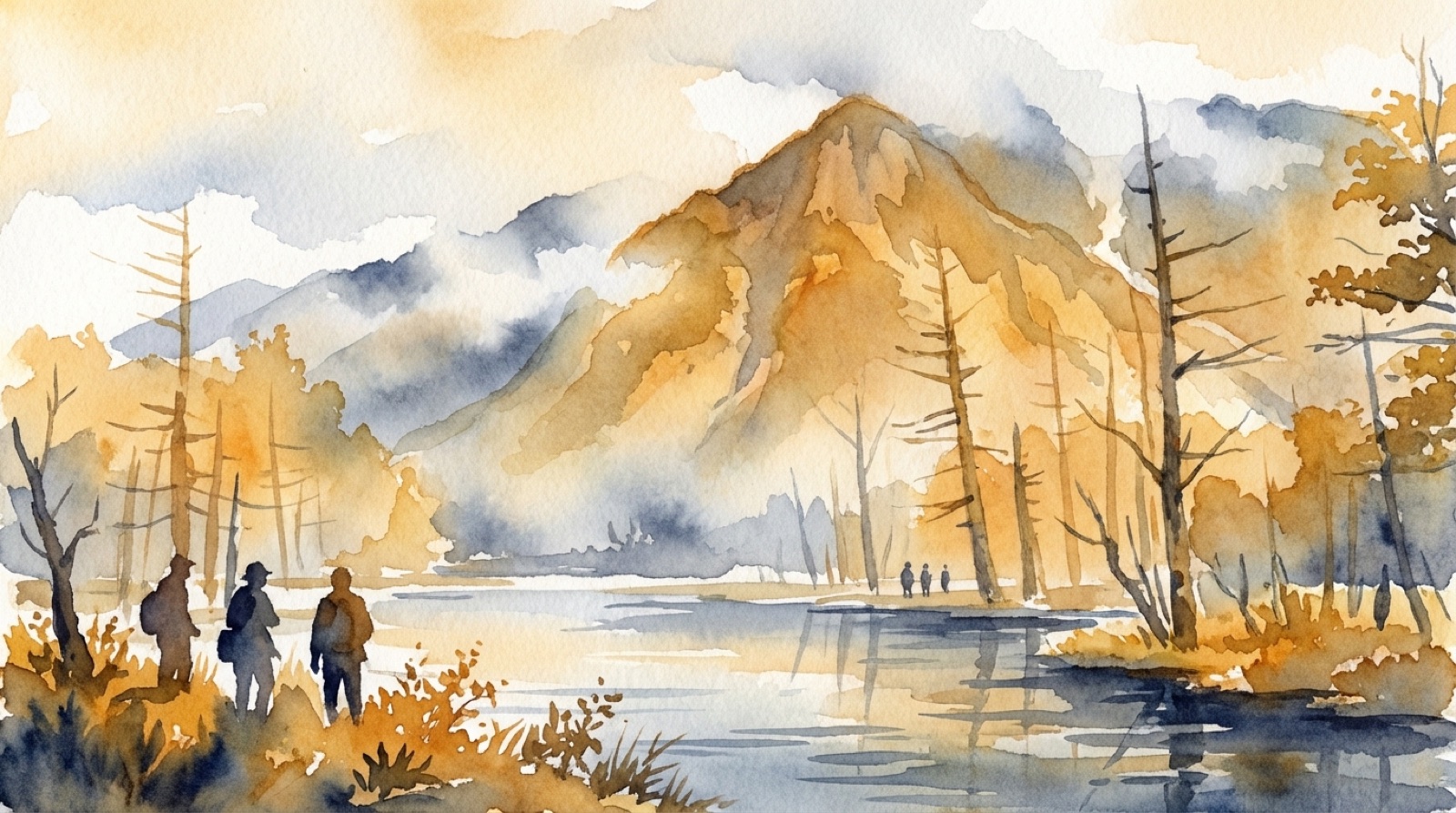
Within an hour of central Tokyo, there are forests that haven't changed in centuries. Light filters through the canopy and hits moss-covered stone steps, and the city feels like it belongs to a different world. Nature isn't separated from civilization here. It's woven into it.
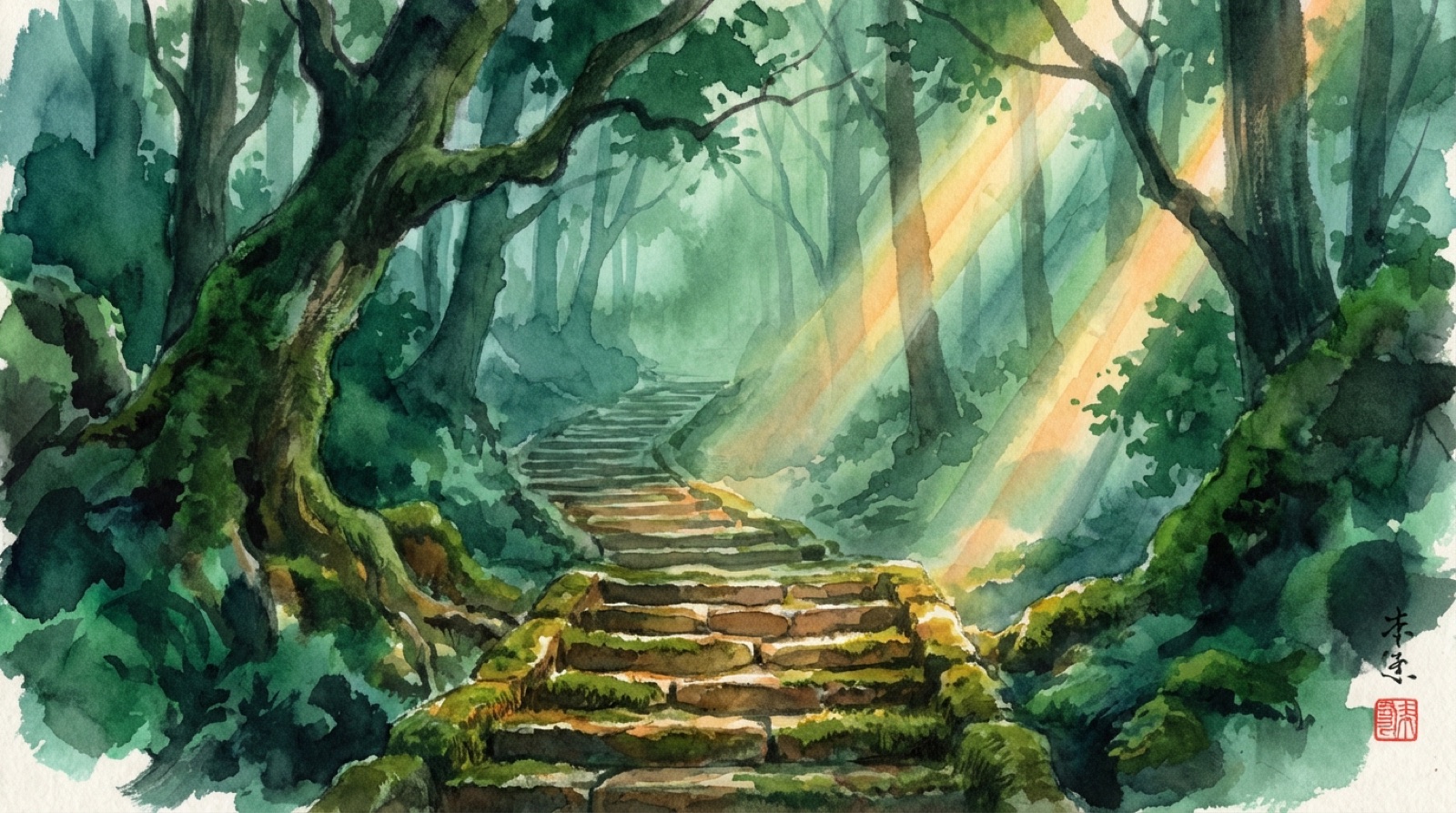
One of the most technologically advanced countries on Earth, and it has kept its forests exactly the way they were.
The Philosopher's Path
There's a stone path along a canal in Kyoto's Higashiyama district. About two kilometers, from the Silver Pavilion to Nanzen-ji temple. It's called the Philosopher's Path because Nishida Kitaro, Japan's most influential modern philosopher, walked it daily for eighteen years while working through his ideas at Kyoto Imperial University.
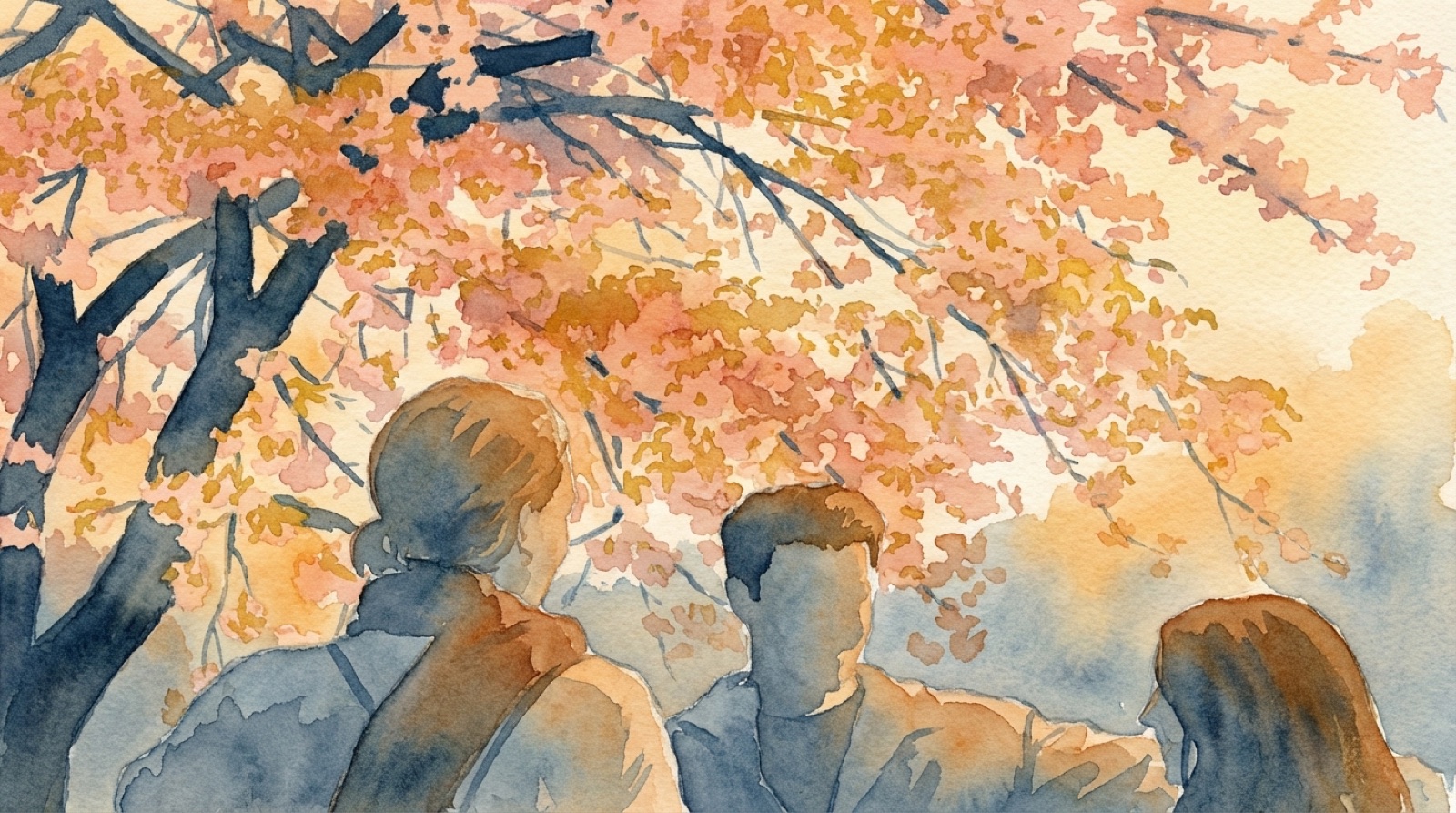
The Japanese have a concept called mono no aware. A gentle awareness that everything passes. Cherry blossoms bloom for about a week. By the time they've reached their peak, they're already falling. Nishida walked this path daily, thinking thoughts that changed his country's intellectual history. He's gone. The path remains.
The Japanese Alps
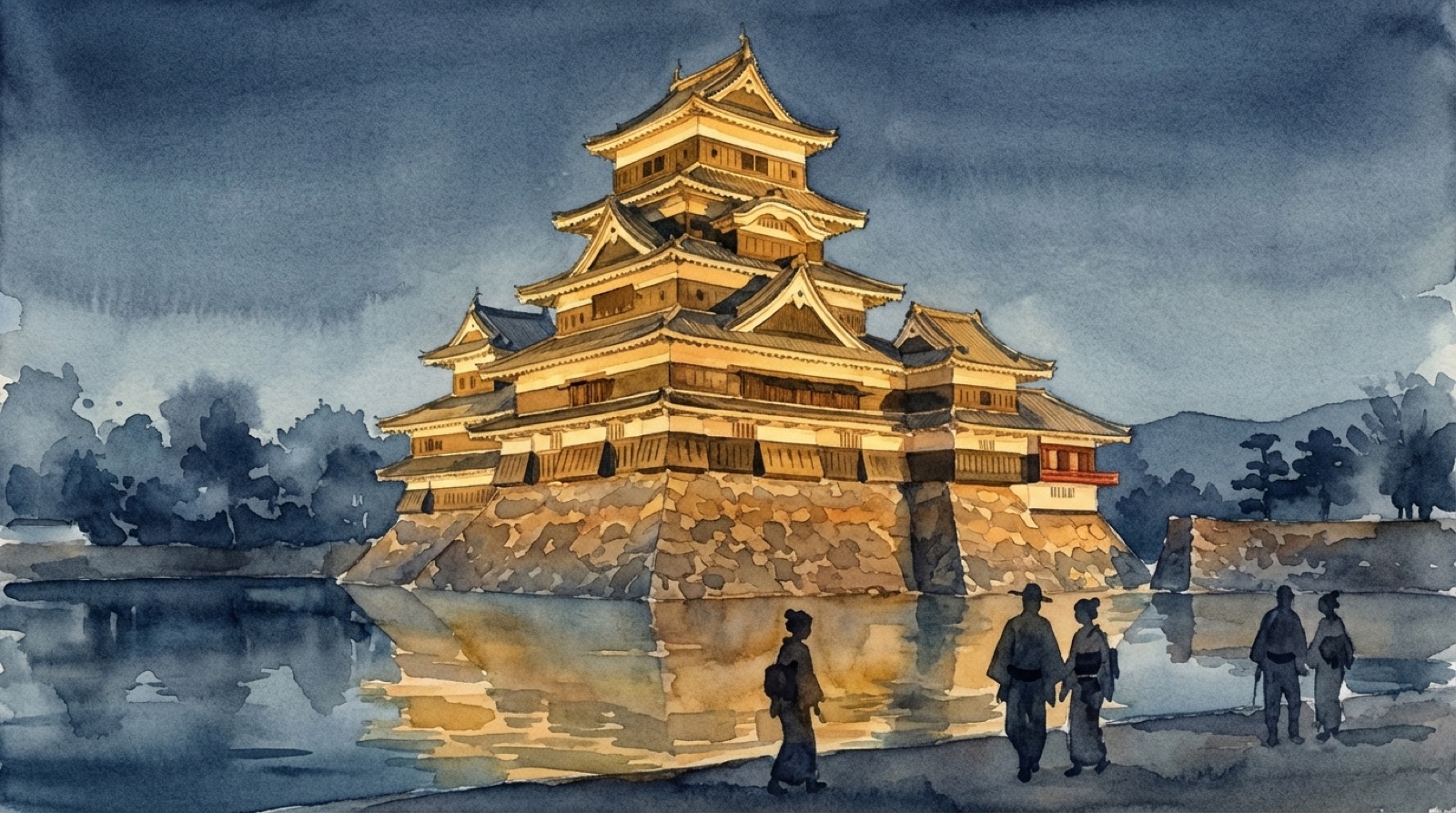
Matsumoto sits in the Japanese Alps. Mountains, a castle town, clean cold air. A different Japan from the neon cities, where things move at their own pace.
Shikoku
Shikoku is one of the four main islands, with fewer tourists and the kind of roads where you need a car to get anywhere.
There is a tradition here called osettai. For over 1,200 years, Shikoku has hosted a pilgrimage route connecting 88 temples, and locals have a custom of offering food, shelter, and help to anyone making the journey. Refusing is considered disrespectful, because the giving itself is a spiritual act.
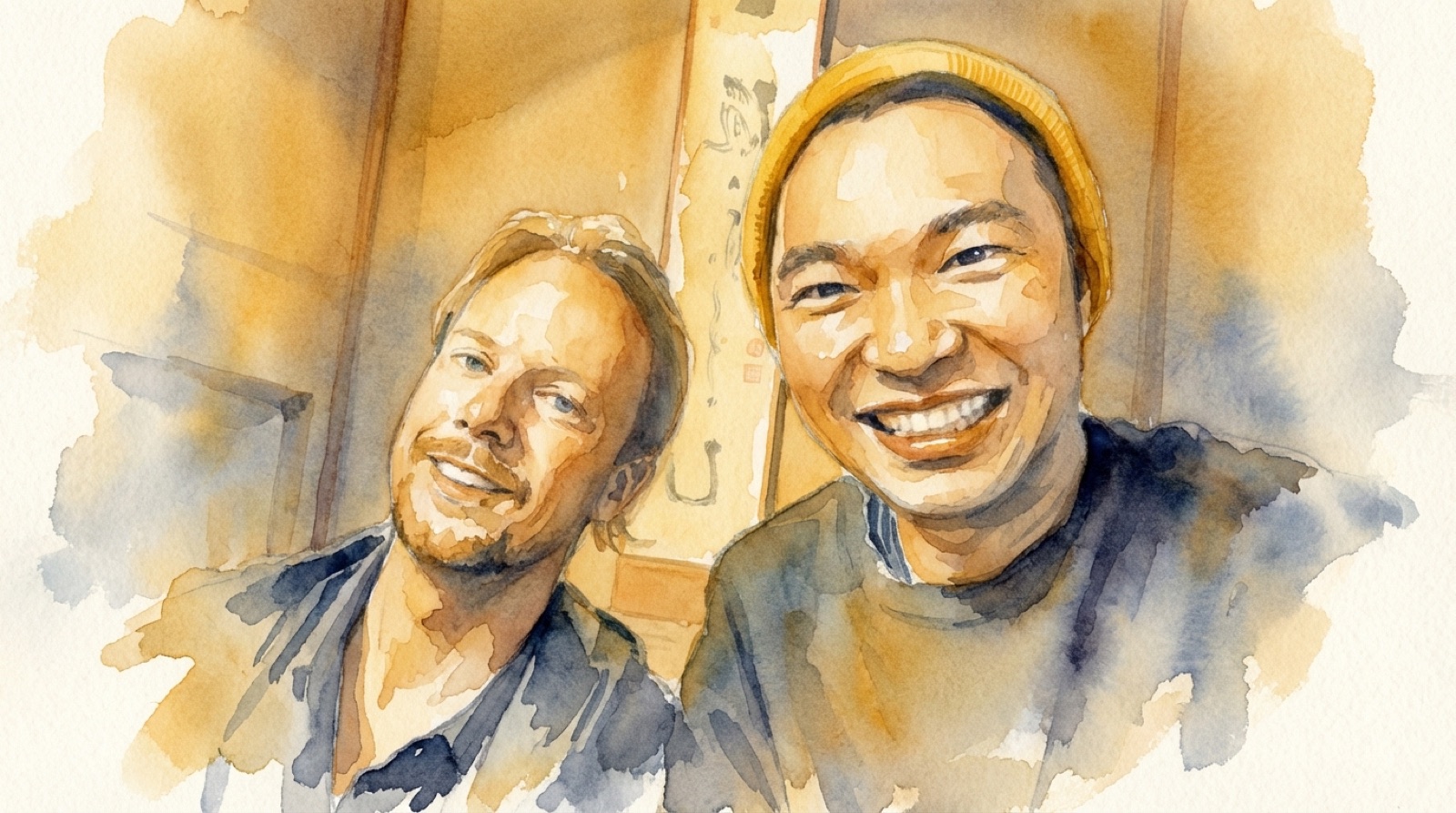
The tradition extends beyond pilgrims. A man who spoke no English once drove a stranger who spoke no Japanese around the island for hours. They communicated through Google Translate, typing messages back and forth on their phones, pointing, gesturing, laughing at the absurdity of two people trying to hold a conversation without a single shared word. He showed places that aren't in any guidebook, and he wouldn't accept anything in return.
Twelve hundred years of helping strangers, still alive in every interaction.
The Forest Spirits
South of the mainland, there's a small island called Yakushima. A UNESCO World Heritage site, and the place that gave Princess Mononoke its visual language.
Hayao Miyazaki and his animators visited Yakushima's Shiratani Unsuikyo ravine repeatedly while making the film. They reportedly needed two hundred shades of green to capture what they saw. Ancient cedar trees, some over two thousand years old, covered in thick moss from root to crown. Light that doesn't stream in but seeps.
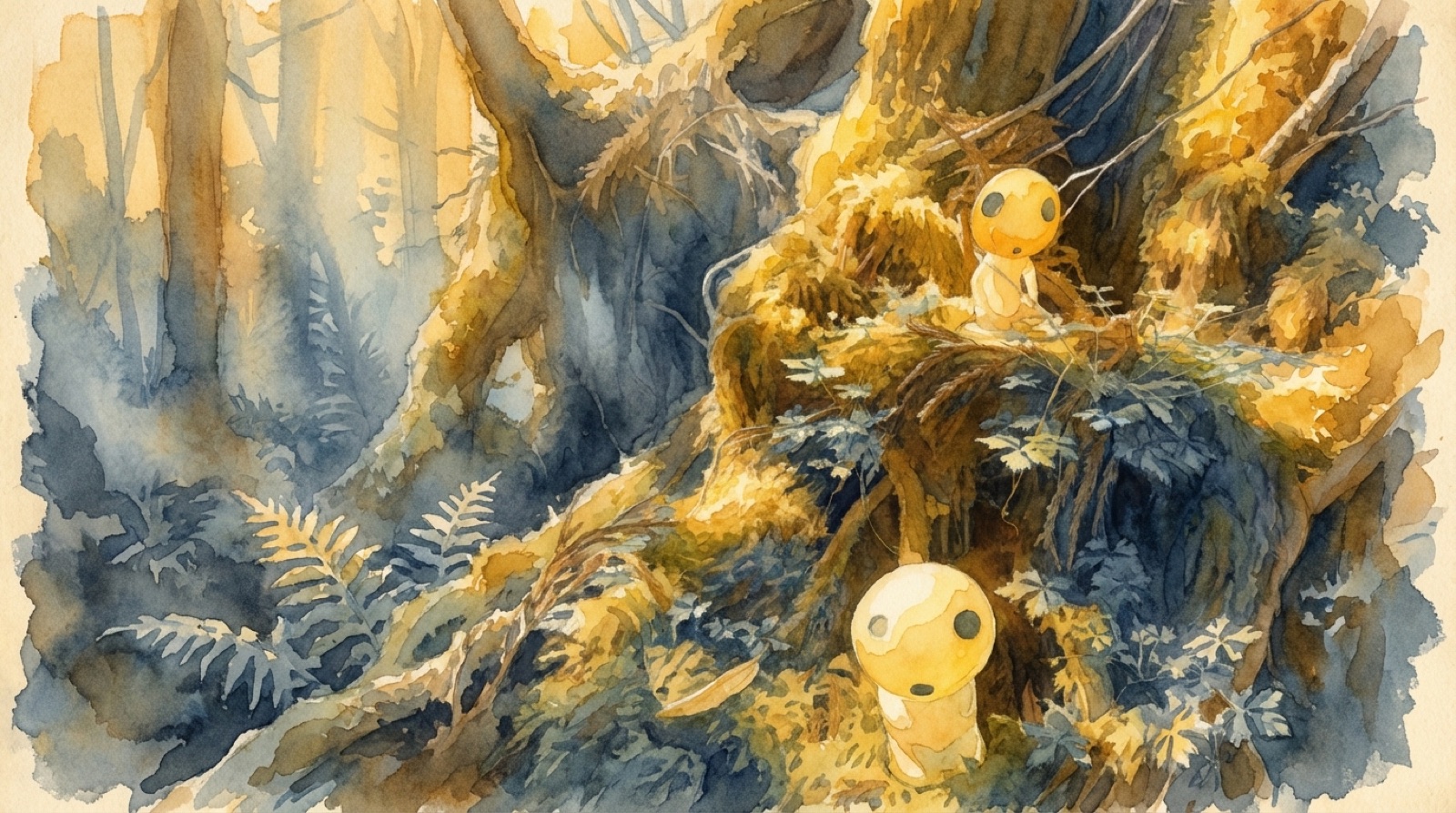
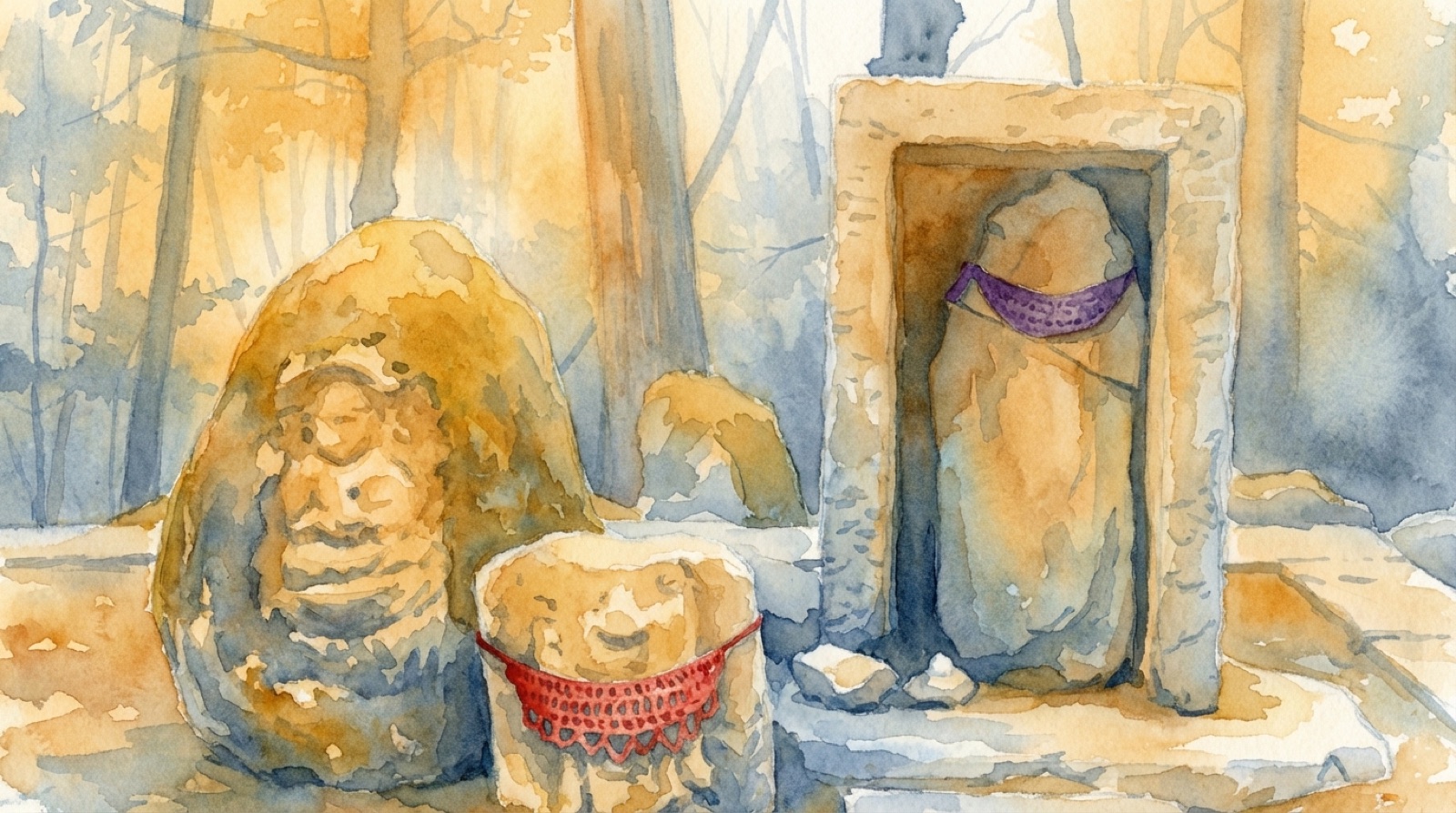
In Japanese folklore, old trees house spirits called kodama. Miyazaki visualized them as small white figures with rattling heads, watching from the branches. The belief is centuries older than any film.
The trails on Yakushima still have small kodama figures placed among the trees by the people who maintain them.
The Hot Springs
Onsen. Public bathing that goes back over 1,300 years in Japan.
The rules are simple: wash thoroughly at a seated station, then enter the hot water with everyone else. No swimsuits, no phones, no status symbols of any kind.
There's a phrase: hadaka no tsukiai. Naked relationship. When everyone is stripped of clothes, social hierarchy disappears too.
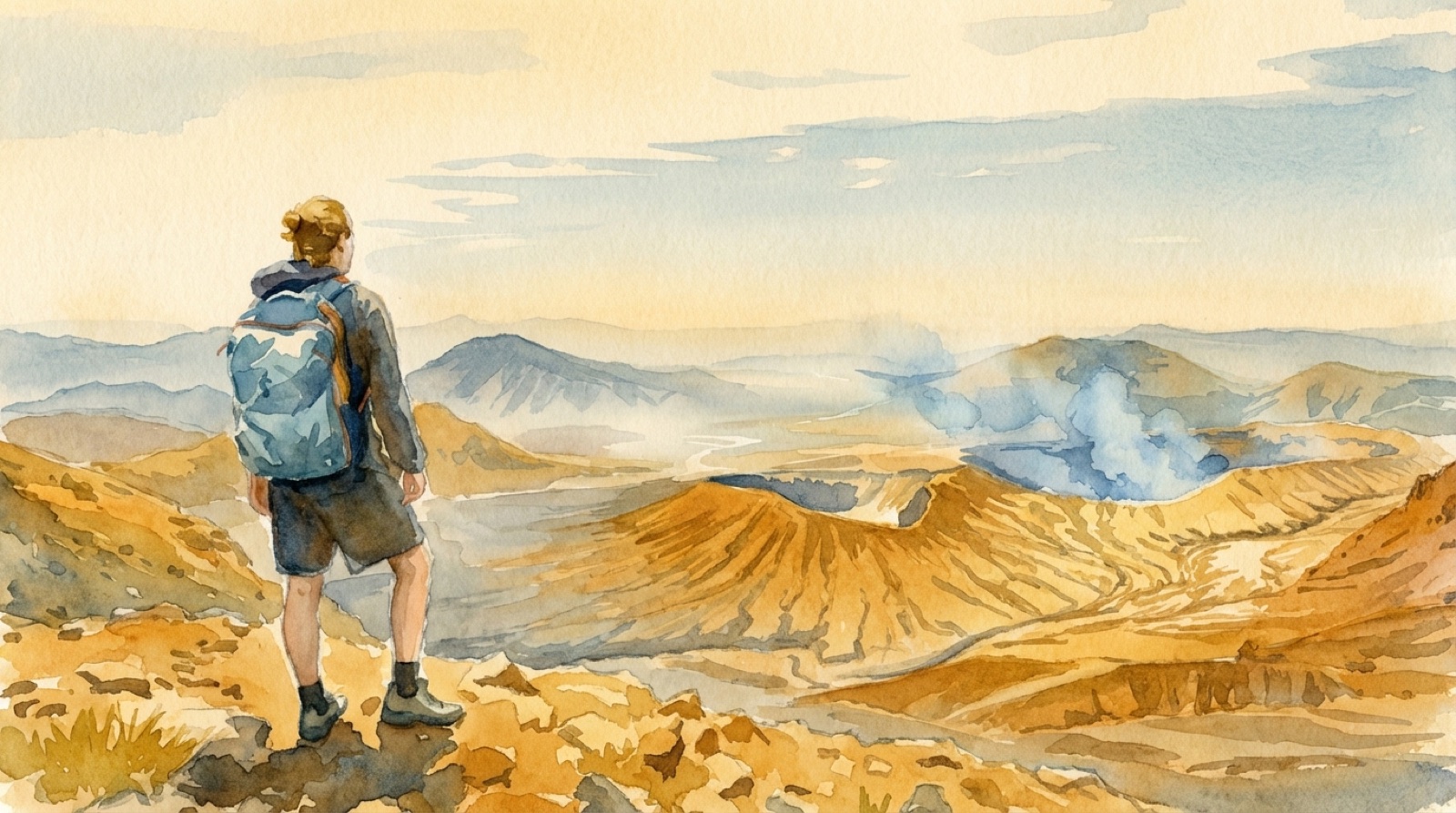
In Kumamoto prefecture, near the active volcano of Mount Aso, the onsen are fed by volcanic springs. Water heated by the earth itself, mountains in the distance, steam rising off the surface.
Okinawa
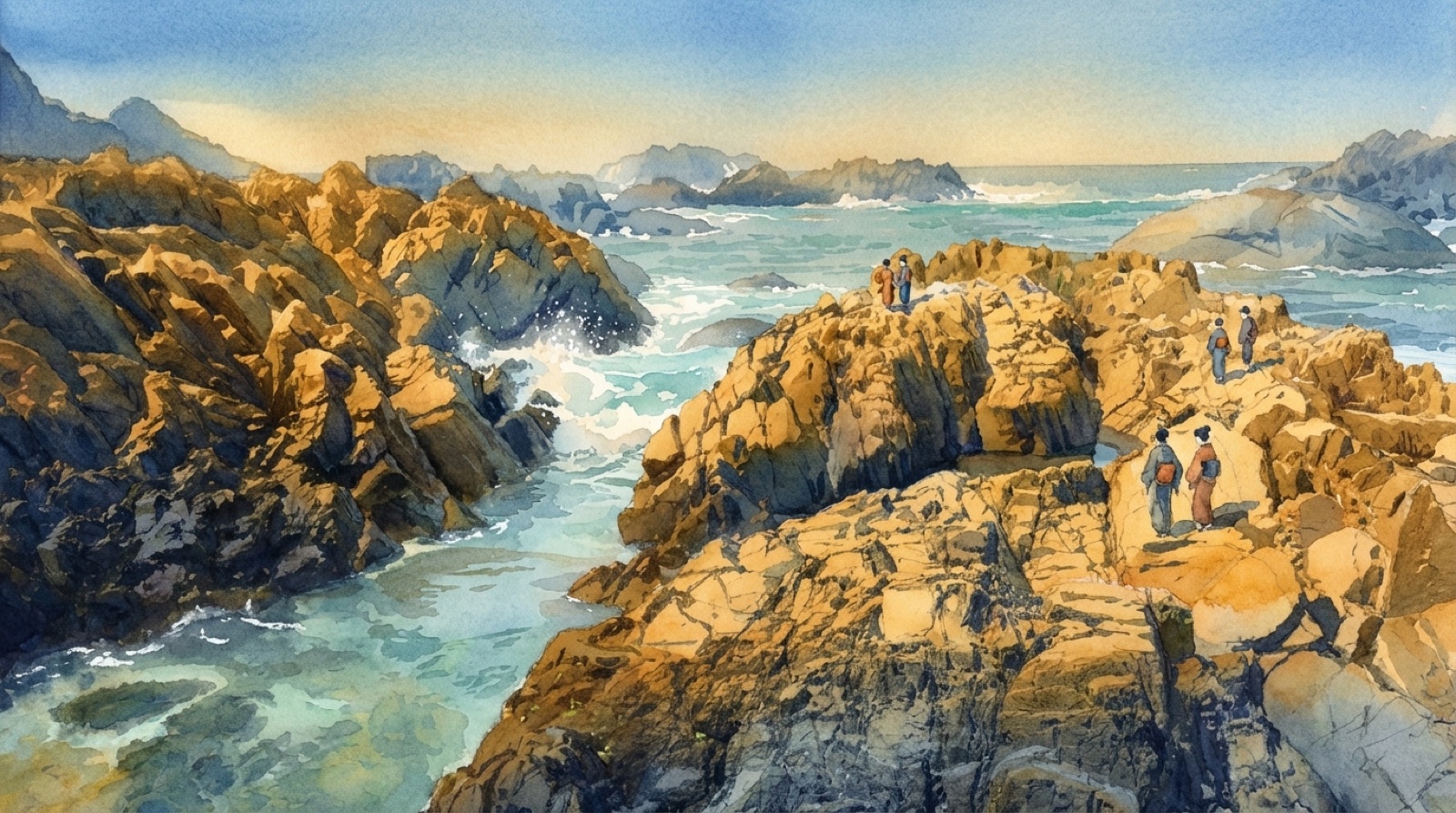
The southern edge of the archipelago. Subtropical, laid-back, with its own culture rooted in the old Ryukyu Kingdom. A completely different Japan.

What Stays
A country where 125 million people have decided, collectively and over centuries, that the small things matter. That the way you prepare food matters, that the way you treat a stranger matters, that taking care of shared space is everyone's responsibility.
What becomes possible when an entire culture commits to that idea.
If you want to know when I write something new: